
When seasonal storms sweep through San Mateo, roofing systems and drainage components are put through a rigorous test. Many local homeowners and building managers have come to recognize the unique risks posed by windblown debris and intense rainfall during winter and spring. Understanding how storm debris punctures roofs, identifying the warning signs of drainage failure, and planning timely maintenance can be the difference between a simple repair and a costly overhaul.
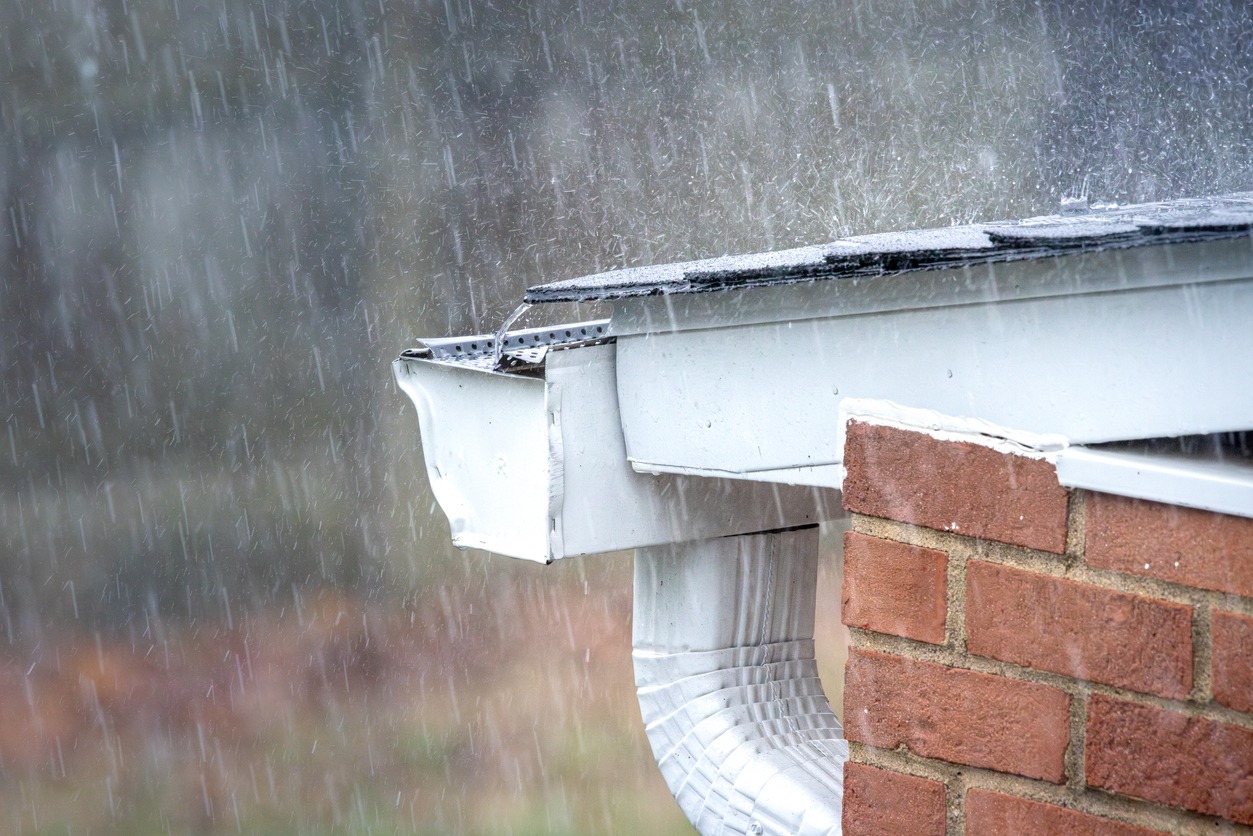
What Are Storm Debris Punctures and Why Are They Common in San Mateo?
San Mateo’s coastal location exposes properties to high winds that carry tree branches, sharp twigs, and roof shingles. When this debris is driven onto your roof deck, it can create puncture points in the roofing membrane or loosen protective materials. Unlike slow-developing roof issues, punctures from debris occur suddenly, sometimes going unnoticed until water intrusion is visible inside the home. Sloped roofs may shed debris more easily, but even these structures are not immune.
Common impacts of storm debris include:
-
Small holes or tears in roof membranes
-
Damaged flashing and vent boots
-
Displaced shingles or tiles
Flat or low-slope roofs, frequently found in local commercial buildings and older homes, are particularly vulnerable since debris can pool and go undetected longer.
Warning Signs Your Roof or Drainage May Be Compromised
Detecting problems early is crucial in San Mateo’s variable climate. After a storm, you should inspect for:
-
Visible punctures or tears in roofing material
-
Standing water on the roof after rainfall
-
Interior ceiling stains near exterior walls or skylights
-
Moss or algae accumulation, indicating persistent moisture
-
Sagging gutters filled with leaves or silt
If you spot any of these, it is important to seek a professional roof inspection before the rainy season intensifies. Addressing issues early can prevent water damage and mold growth.
Planning Drainage Upgrades and Roof Repairs
Supporting proper drainage is as essential as repairing storm damage. With San Mateo’s hilly terrain, well-functioning gutters, downspouts, and scuppers are your primary line of defense against roof leaks and foundation problems. Practical steps include:
-
Cleaning gutters and downspouts bi-annually, especially before winter and late spring
-
Installing gutter guards to minimize organic blockages
-
Ensuring all roof penetrations and seams are sealed
For older roofing systems or flat roofs, periodic professional maintenance is the best way to ensure continued performance. When repairs are needed, a local provider can offer specialized roof repair and maintenance solutions that are appropriate for San Mateo’s climate and building codes.
When to Call a Professional Roofer: Key Questions to Ask
If you’re considering hiring a roofing specialist, being prepared with the right questions helps ensure a smooth experience. Ask:
-
Do you offer emergency storm response services?
-
Are you a certified installer for major materials like GAF?
-
Will you provide detailed photo documentation for insurance claims?
A reputable, local roofing provider will be familiar with San Mateo’s microclimates and common architectural styles, ensuring their recommendations are both reliable and long-lasting.
Is Full Roof Replacement Necessary or Are Repairs Enough?
Not every puncture or drainage issue requires a full roof replacement. In many cases, targeted roof replacement may be limited to specific sections if caught early. Your roofing partner can present a clear comparison of repair versus replacement costs specific to your property’s age and material. Proactive annual inspections help extend the lifespan of your investment in the face of seasonal storm activity.
Contact Cal-Pac Roofing San Mateo for Storm Debris and Drainage Solutions
If recent storms have left you concerned about possible roof damage or water drainage problems, Cal-Pac Roofing San Mateo provides thorough inspections, repair, and replacement services for homes and businesses in San Mateo, CA. To arrange a consultation, call (650) 286-0450 or fill out our online form. Our team is here to help protect your property before the next storm arrives.