
Roof flashing may not be the most noticeable part of your roof, but it is absolutely critical in keeping your home protected from the elements. If you live in an area like San Mateo where coastal weather patterns often bring rain and wind, faulty or poorly installed flashing can quickly lead to leaks, water intrusion, and expensive repairs. In this article, you’ll learn to recognize the different types of flashing and the significance of professional, code-compliant installation to help protect your home.
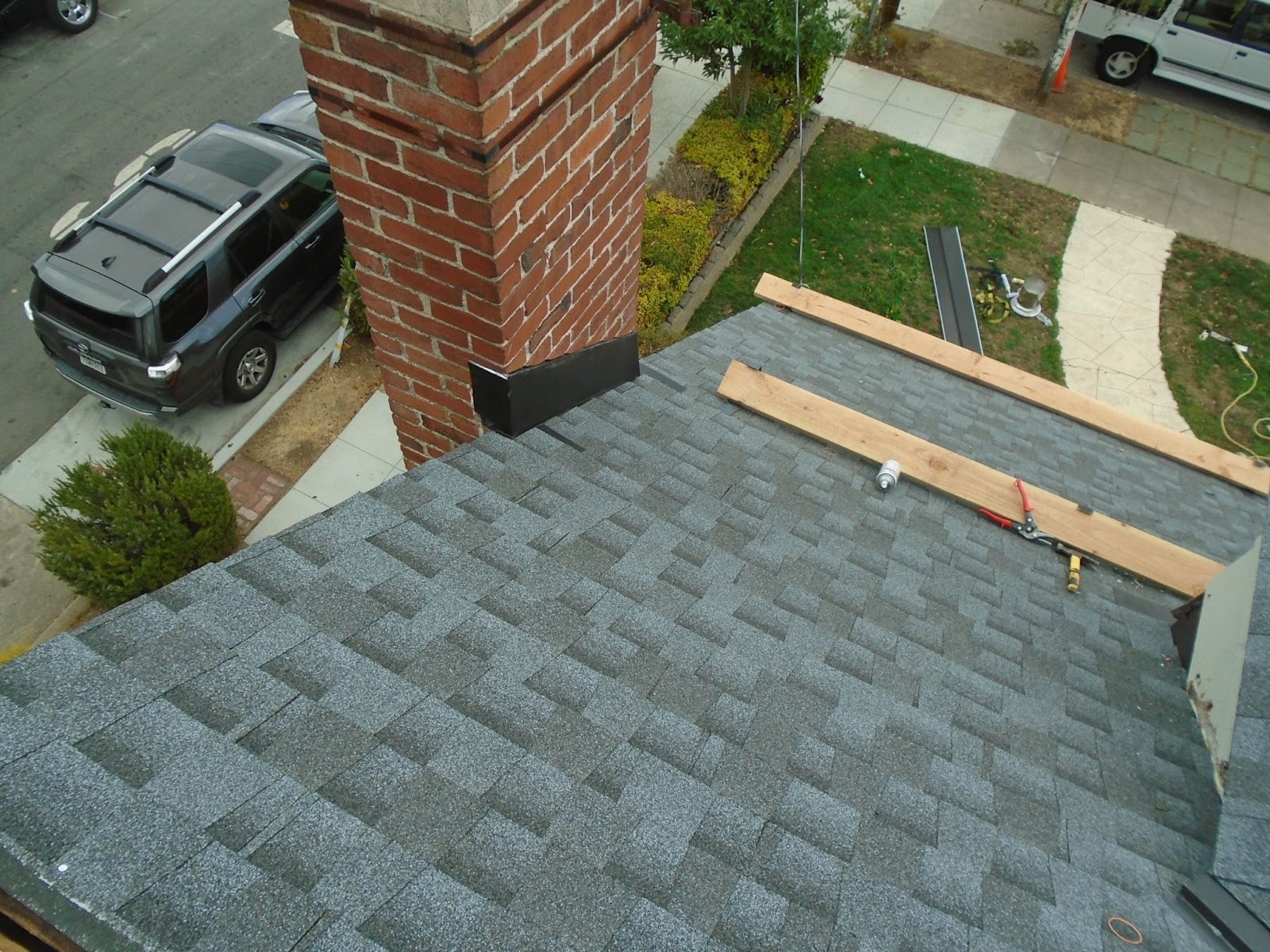
What Is Roof Flashing and Why Does it Matter?
Flashing is a thin, weather-resistant material, usually galvanized steel, aluminum, or copper specifically designed to direct water away from vulnerable areas on your roof. Where two surfaces meet, such as around chimneys or where a roof meets a wall, water can easily find its way underneath shingles. Flashing channels the water over these junctions, preventing leaks that lead to mold, wood rot, or even compromised structural integrity over time. In regions close to the San Francisco Bay, where moisture is common, taking flashing seriously is a must for every homeowner.
A Guide to Common Roof Flashing Types
Different sections of your roof require their own specialized flashing for effective protection:
-
Chimney Flashing: Seals the intersection between your roof and chimney, using a combination of step flashing and counterflashing to create a double barrier against water.
-
Valley Flashing: Installed in roof valleys, where two roof planes meet and water naturally flows downward. Sturdy metal flashing in these channels is essential, especially during heavy coastal rains.
-
Skylight Flashing: Surrounds skylights to block water from slipping through the opening. A proper fit and watertight seal are key to preventing drips into your living space.
-
Wall-to-Roof Flashing: Placed where roofs connect to vertical walls (common with additions, dormers, or shed roofs), this flashing prevents leaks at the seam between differing surfaces.
Each of these flashing types is crucial in its location, and when overlooked, even a small area can allow significant water intrusion, especially during windy winter storms typical of Northern California.
How Proper Installation Prevents Water Intrusion
A professional roofing contractor understands the distinct flashing requirements for your home’s architectural style and the area’s unique coastal climate. Proper installation is much more than merely sliding metal beneath shingles; it involves precise measuring, angling, and securing with weatherproof fasteners. Flashing must overlap correctly to ensure water sheds off the roof instead of pooling or seeping through. Particular attention is paid to vulnerable joints and complex areas such as chimneys or multiple rooflines.
Incorrectly installed or substandard flashing will eventually fail. In San Mateo, homes are often exposed to cycles of fog, salt air, and varying temperatures; these all accelerate the deterioration of poor-quality flashing. Consistent maintenance and periodic inspections should be performed to spot early signs of problems.
Avoiding Common Roof Flashing Mistakes
There are a few common mistakes that can severely compromise your roof’s defense:
-
Using incompatible or cheap materials that rust or corrode rather than investing in code-compliant metal flashing.
-
Neglecting to install step flashing along roof-to-wall intersections, or not layering it properly, causes gaps where water can seep.
-
Failing to seal flashing edges with quality roofing caulk, especially at chimneys and skylights.
-
Overlooking regular inspections; even well-installed flashing can be loosened by storms or animal activity over time.
When you work with a trusted roofing company that is familiar with local codes and weather, you minimize these risks significantly.
Keep Your San Mateo Home Protected—Schedule a Flashing Inspection Today
Whether you need an inspection, roof repair, or complete roof replacement, Cal-Pac Roofing San Mateo is the reliable local contractor serving San Mateo, CA and neighboring Bay Area communities. With decades of experience in coastal roofing systems, the team at Cal-Pac Roofing pays meticulous attention to every roof detail, including comprehensive flashing solutions customized for the region’s unique weather. Safeguard your home by calling (650) 286-0450 or by filling out our quick online form to schedule a professional flashing inspection or request a free estimate today.